www.construction-physics.com
253 articles0 followers
Permitting reform prediction markets, ASML’s lack of European sales, a California distributed power plant, Starlink as a planetary barometer, and more.
AirBnB’s housing accelerator, rising steel prices, a resurgence of US coal power, low-head dams, and more.
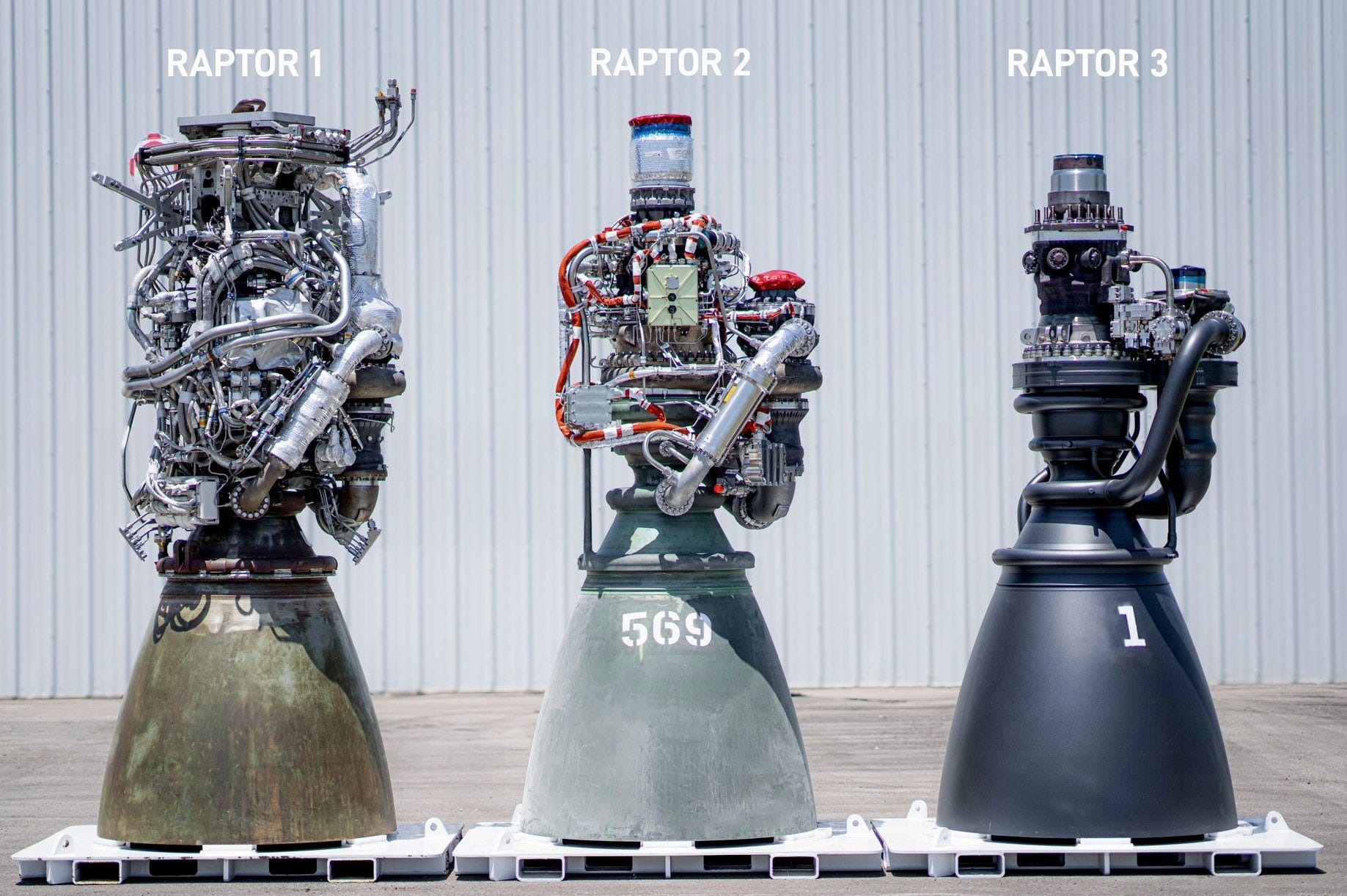
If you’re reading this, there’s a very good chance you’ve seen this famous image of three iterations of SpaceX’s Raptor rocket engine.
City permitting speeds, more efficient ground source heat pump drilling, an Amazon Air crash in Miami, cooling paint, and more.
Construction is famously labor intensive: direct labor makes up close to 50% of the cost of constructing a new single-family home in the US, compared to around 6 to 8% of the cost of manufacturing a car.
SpaceX’s turbine blade factory, Fervo’s deal with Google, Delhi’s cheap metro, why recycling is overrated, and more.
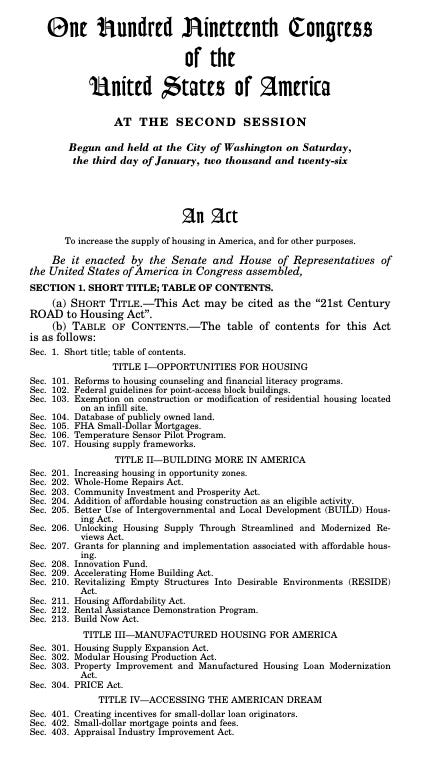
This is my third and final essay looking at the 21st Century ROAD to Housing Act, and how it’s likely to affect housing supply.
Sinking London homes, US magnesium manufacturing, the World Humanoid Robot games, catastrophic flooding in Nepal, and more.
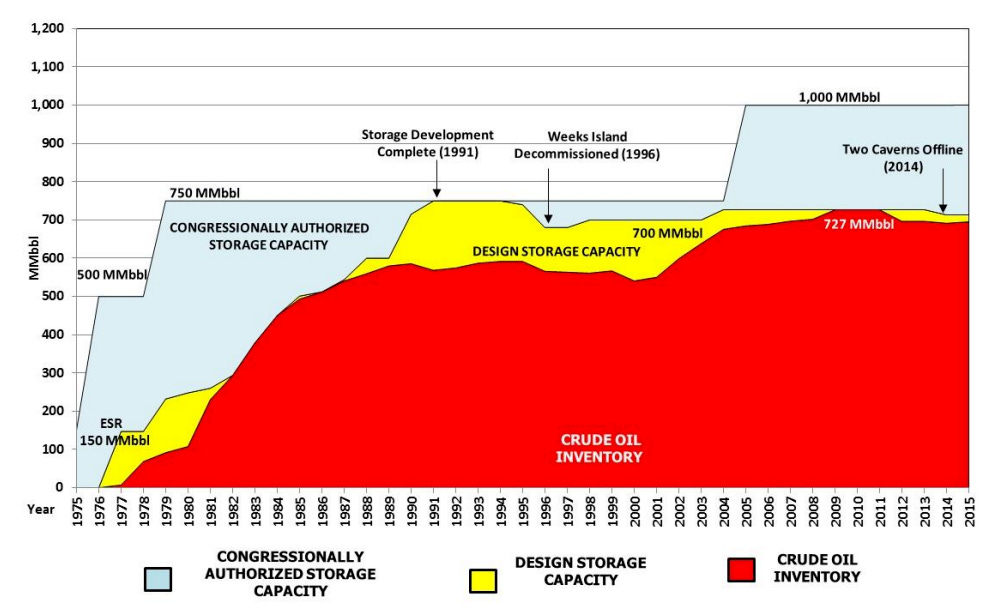
The US Strategic Petroleum Reserve (SPR) is the largest crude oil storage facility in the world.
Los Angeles’ ADUs, electrical transformer manufacturing, gas turbine power plants, how water in the Colorado River is used, and more.
Home price declines, the Strategic Petroleum Reserve, The Boring Company fundraising, and more.
This is the second installment of my look under the hood of the recently passed 21st Century ROAD to Housing Act, looking at what each provision actually does and trying to suss out its actual impact on housing supply.
The Endangered Species Act and housing production, why it’s hard for LEGO to use 3D printing, robotic welding and shipbuilding, modular data centers, and more.
A few weeks ago the 21st Century ROAD to Housing Act became law. This is an enormous housing bill that’s been in the works for roughly a year — I first discussed it on Statecraft back in 2025 — and folks are optimistic that it will, per its description, “increase the supply of housing in America.”
Pepper-spray drones, China’s chip Manhattan Project, Commonwealth Fusion’s fundraise, and a proposed Dulles Airport renovation.
A battery technology that’s getting a lot of attention is solid-state batteries, lithium-ion batteries that replace the liquid electrolyte with a solid material.
China’s EV subsidies, the future of aeroderivative gas turbines, a US-Saudi nuclear deal, defective roadway guardrails, and more.
Last time in our series on the nature of the construction productivity problem, we looked at economies of scale, finding that capturing economies of scale in homebuilding is difficult.
A setback for California Forever, a $500 million artillery shell plant not producing any shells, the difficulty of recycling EV batteries, manufacturing wire harnesses, and more.
An enormous amount of ink has been spilled (some of it by me) on the trials and tribulations of complying with the National Environmental Policy Act, better known as NEPA.
Adults living with their parents, Samsung’s profits, Native American data centers, Puerto Rico’s electricity grid, and more.
Households without homeowners insurance, crackdowns on AI chip smuggling, Japan’s two electrical frequencies, Meta’s AI compute business, and more.
Every spring, as sure as the seasons, and for generations unknown, screwworms began their annual march northward from their overwintering sanctuaries in Mexico and South Texas.
Trump refuses to sign a housing bill, the high cost of US-made doors, slow trucking, why we stopped making new land, and more.
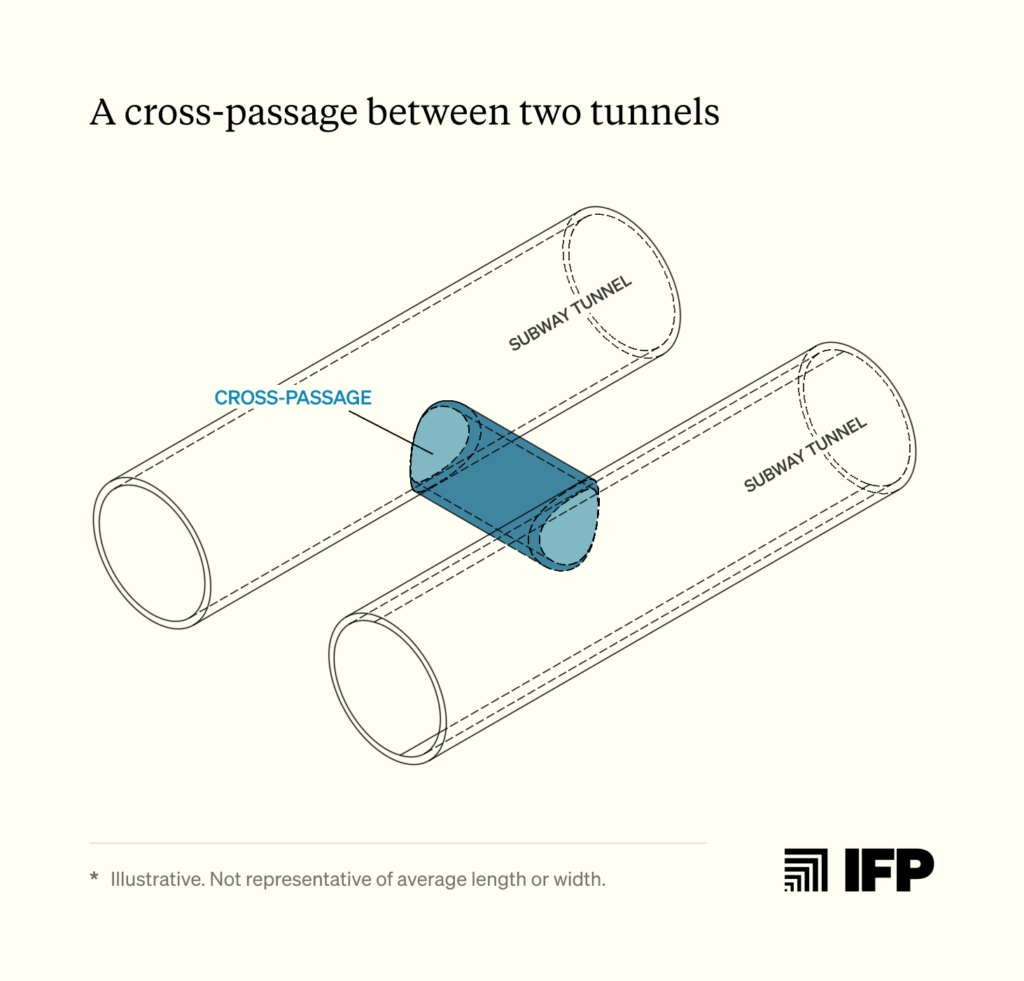
I wrote the following piece for IFP’s Transit Abundance Playbook, a collection of 15 ideas to improve transit delivery in the US.
A new housing bill, General Motors joining the grid-scale battery game, skepticism about data center delays, solid-state air conditioning, and more.
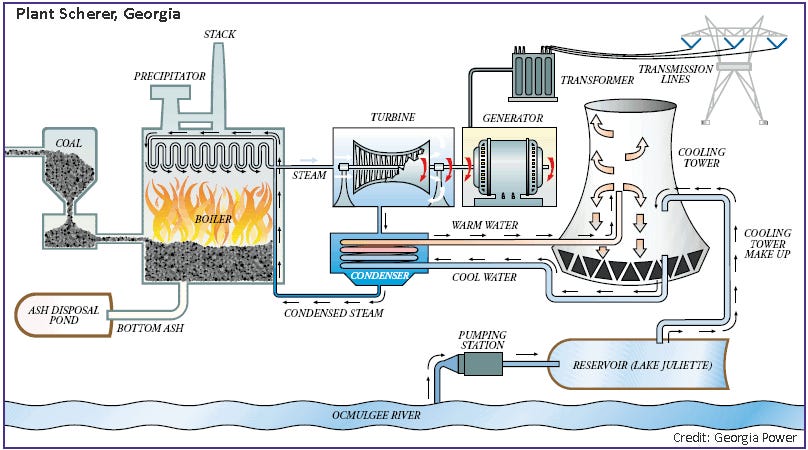
For the better part of the last several hundred years, coal was the fuel of choice for generating power.
Homes being built on top of libraries, Patriot missile manufacturing, an effort to construct new US coal plants, a tunnel between the US and Russia, and more.
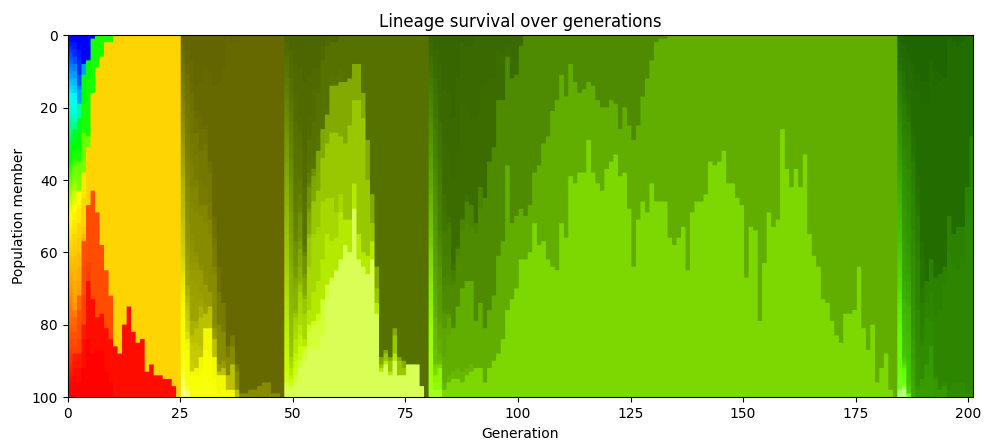
A few weeks ago we looked at a simulation of technological evolution by economist Brian Arthur, in which he was able to start with simple building blocks (such as a NAND gate) and evolve surprisingly complex circuits (such as a 12-way AND gate or a 4-bit adder) by randomly combining increasingly useful existing components.
Plastic price jumps, crypto-backed mortgages, a proposed AI data center pause, US battery manufacturing, and more.