Historian Nathaniel Philbrick lays out a convincing, if scholarly, case for why Moby-Dick is relevant to modern audiences. Nathaniel Philbrick opens this
No comments yet.
Sign in to comment.
Other articles with overlapping topics.
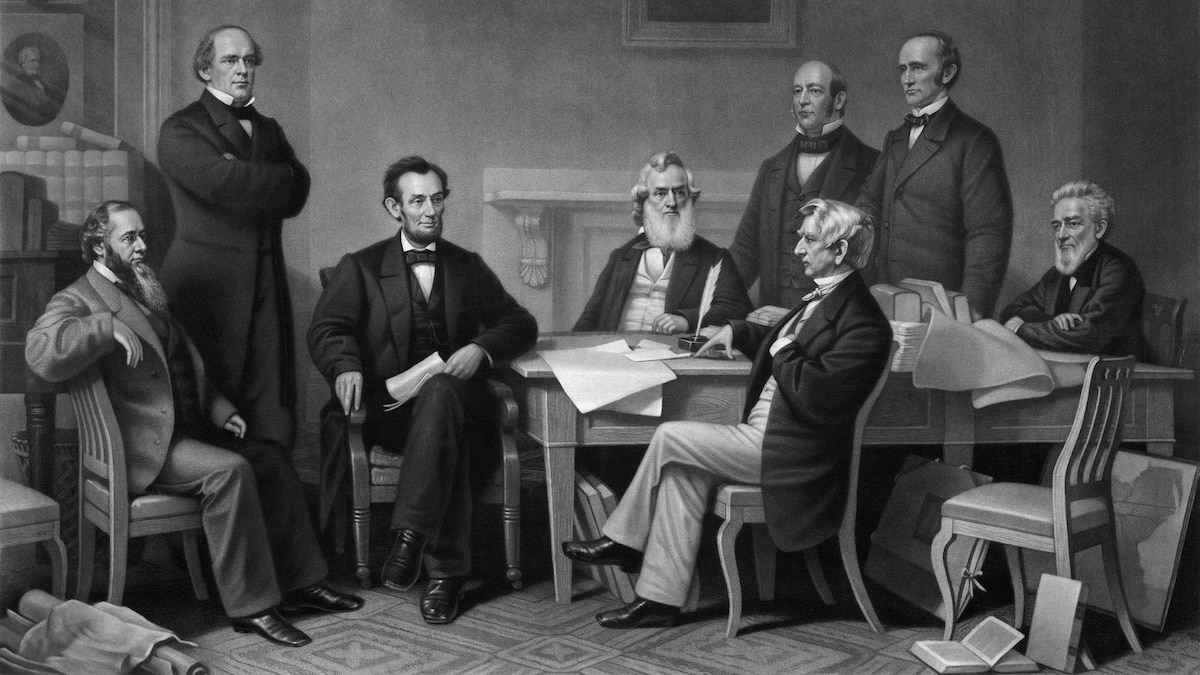
Best-selling author David M. Rubenstein and historian Douglas Brinkley discuss America's tumultuous 19th century and why Lincoln was its defining figure.
In the medieval period it was common for translators to insert commentary on their theories and methods directly into the text.
Ancient furnace workers experimented with heating the ends of glass tubes to rework them. One day, someone blew into that tube and changed history.
Archaeologists thought ancient Amazonia was only home to wandering people, but new technology has uncovered complex societies living in forest cities.
Dogs have long occupied a position at the boundary where the human animal meets the rest of creation. The great Victorian critic John Ruskin thought that the artists of Renaissance Venice—Titian, Veronese, Tintoretto—painted dogs “to give the fullest contrast to
Being invited to interview a writer that one admires is so rewarding, and I’m thrilled that I got the chance to speak with Zinzi Clemmons about her new book Freedom: Essays. We need Clemmons’s voice. We need her critique. It